Het aanpakken van valse barrière-activatie bij regen en mist met millimetergolfradar
H2: Waarom regen en mist valse ontstekeningen doen toenemen
In parkeergarages, ingangen en ondergrondse garages kunnen omgevingsomstandigheden zoals regen en mist de prestaties van detectiesystemen voor barrières aanzienlijk beïnvloeden.Gemeenschappelijke kwesties zijn::
- Barrières die zonder voertuig aanwezig zijn
- Niet-sluiting na het passeren van voertuigen
- Vaak activeren als gevolg van onstabiele signalen
Deze problemen verminderen de operationele efficiëntie en kunnen veiligheidsrisico's met zich meebrengen, met name in omgevingen met veel verkeer of zonder bemanning.
H2: Beperkingen van conventionele detectietechnologieën
H3: Optische en infraroodgevoeligheid
Infrarood- en camera-systemen zijn afhankelijk van lichtsignalen, die gemakkelijk worden verstoord door regen, mist en lichtverschillen.
H3: Beperkingen van de lusdetector
Loop-detectoren zijn afhankelijk van metaaldetectie en kunnen moeite hebben met niet-standaard voertuigen of voetgangersdetectie.
H3: Signalinstabiliteit
Vocht- en temperatuurschommelingen kunnen de prestaties van de sensor verminderen, wat leidt tot onbetrouwbare werking.
H2: Voordelen van millimetergolfradar
H3: Stabiele detectie met 79 GHz-technologie
Millimetergolfradar werkt onafhankelijk van zichtbaar licht en behoudt een consistente prestatie in regen-, mist-, sneeuw- en stofomstandigheden.
H3: Hoge nauwkeurigheid vermindert fouten
Met ongeveer≤ 2 cm nauwkeurigheid en 4 cm resolutie, kunnen radarsystemen effectiever onderscheid maken tussen voertuigen, voetgangers en omgevingsinterferenties.
H3: Alle weersomstandigheden kunnen doorstaan
met een werktemperatuur van-40°C tot +85°CenBeschermingscategorie IP67, radar sensoren zijn ontworpen voor harde buitenomgevingen.
H2: Optimalisatie van detectiezones en gevoeligheid
Configureerbare detectiezones en gevoeligheidsinstellingen zijn van cruciaal belang voor het minimaliseren van valse triggers:
- Voorwaarts detectie bereik kan worden ingesteld (ongeveer 3 meter of als vereist)
- De zijdelingse dekking kan worden beperkt tot de lijnbreedte (bv. ± 0,5 m tot ± 1,5 m)
- Gevoeligheidsniveaus kunnen prioriteit geven aan de detectie van voertuigen of voetgangers
De juiste configuratie helpt om interferentie van aangrenzende rijstroken of irrelevante objecten te elimineren.
H2: De rol van systeemintegratie
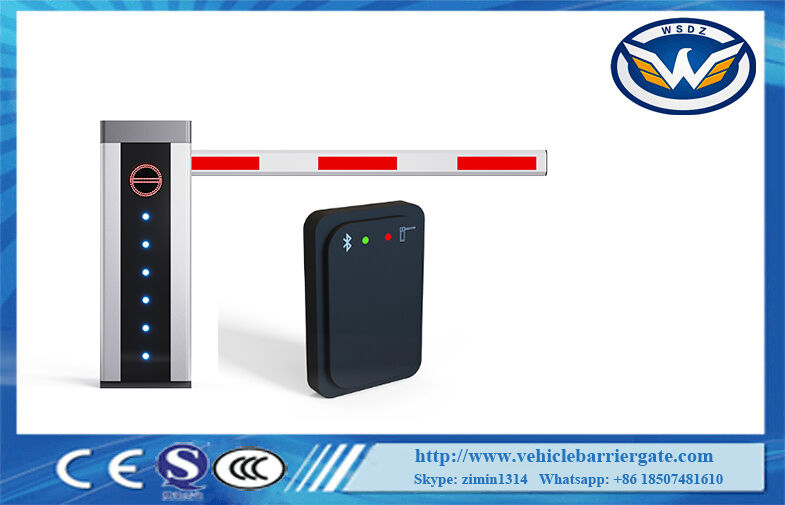
Radarsensoren functioneren als onderdeel van een breder barrièrebeheersysteem.
- Relais-uitgangen maken anti-botsingslogic mogelijk
- RS485-communicatie ondersteunt systeemintegratie
- Bluetooth en software-tools maken configuratie en updates op afstand mogelijk
Dit zorgt voor een consistente prestatie en een gemakkelijker onderhoud.
H2: Selectiegids voor regen- en mistomgevingen
Bij het selecteren van een detectiemiddel dient rekening te worden gehouden met:
- Gebruik van millimetergolfradar in plaats van optische sensoren
- Detectie nauwkeurigheid en resolutie
- Beschermingscategorie (aanbevolen IP67)
- Werktemperatuurbereik
- Aanpasbare detectiezones en gevoeligheid
Deze factoren zijn essentieel voor het behoud van een stabiele en betrouwbare werking van de barrière onder ongunstige weersomstandigheden.


 Uw bericht moet tussen de 20-3.000 tekens bevatten!